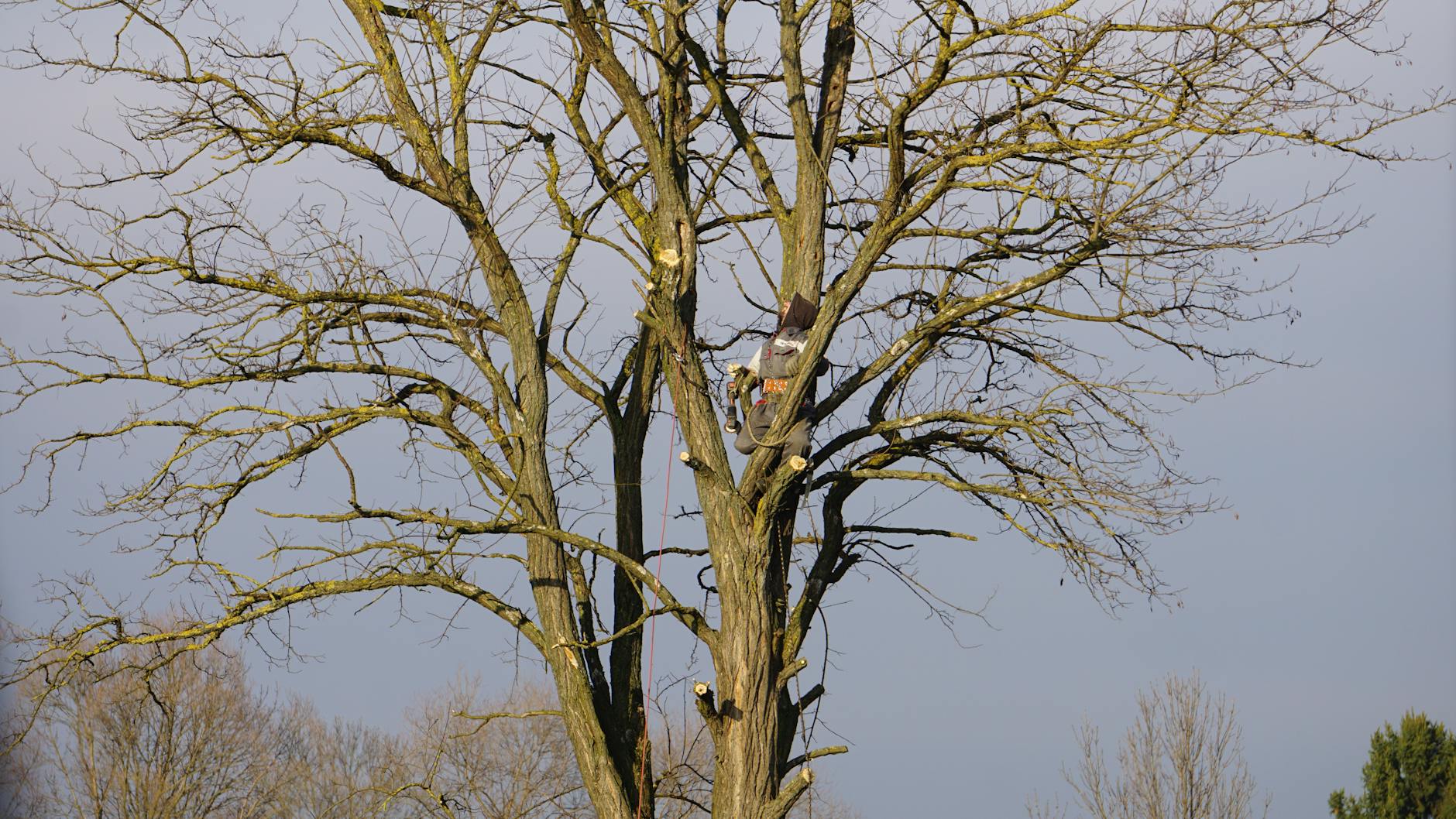
Licensed arborists in Nashville typically charge between $150-$400 per hour for consultation services, with tree removal costs ranging from $300-$2,500 depending on size and complexity. Finding a qualified, licensed arborist in Music City requires knowing where to look and what credentials to verify before hiring someone to work on your valuable trees.
What Makes an Arborist Licensed in Tennessee
📞 Need a free estimate? Call (629) 276-6888 — Nashville’s trusted tree service. Fast response, no obligation.
Tennessee requires arborists to obtain proper licensing through the Tennessee Department of Agriculture. A licensed arborist must pass comprehensive examinations covering tree biology, diagnosis, pruning techniques, and safety protocols. The state also requires continuing education credits to maintain licensing status.
Beyond state licensing, look for ISA (International Society of Arboriculture) certification, which represents the gold standard in arborist credentials. ISA Certified Arborists have demonstrated extensive knowledge through rigorous testing and maintain their certification through ongoing education.
Licensed arborists carry proper insurance, including general liability and workers’ compensation coverage. This protection is crucial when dealing with large trees near homes, power lines, or other structures common in Nashville neighborhoods like Belle Meade and Green Hills.
Where to Search for Licensed Arborists
The Tennessee Department of Agriculture maintains an online database of licensed tree care professionals operating in the state. This searchable database allows you to verify current licensing status and check for any disciplinary actions or complaints.
The ISA website offers a “Find an Arborist” tool where you can search by location and specialty. This resource helps identify certified professionals in your specific Nashville area, whether you’re in Brentwood, Franklin, or Antioch.
Local nurseries and garden centers often maintain referral lists of reputable arborists they trust. Establishments in areas like Hermitage and Donelson frequently work with the same professionals and can provide valuable insights based on customer feedback.
Nashville’s Better Business Bureau chapter provides ratings and complaint histories for tree service companies. This resource helps identify businesses with strong track records and highlights any recurring issues with specific providers.
Essential Questions to Ask Potential Arborists
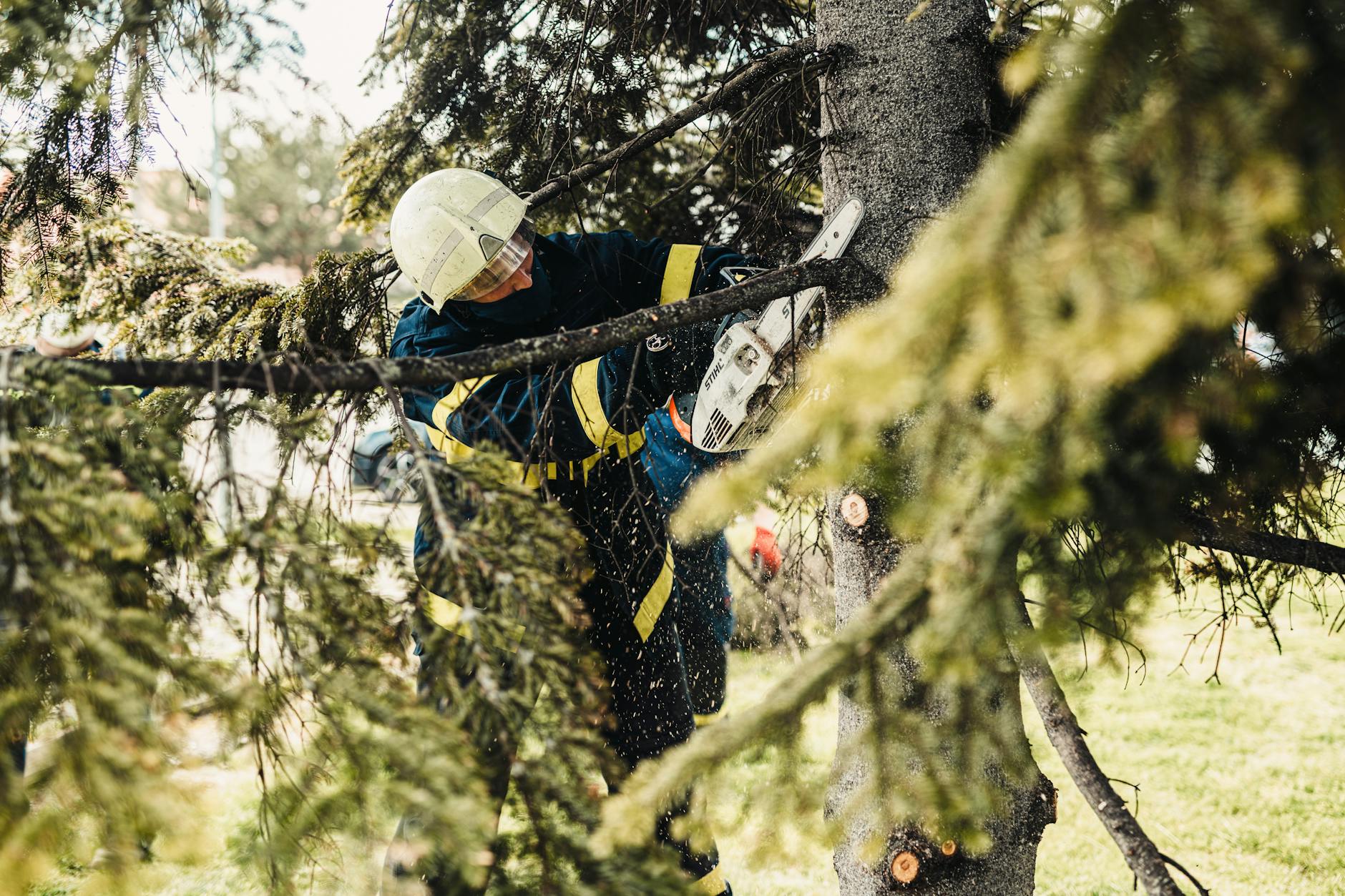
Before hiring any arborist, request their Tennessee license number and ISA certification credentials. Legitimate professionals readily provide this information and encourage verification. Ask for their insurance certificate and contact their insurance company directly to confirm coverage is current and adequate.
Inquire about their specific experience with your type of project. Tree removal Nashville specialists should demonstrate experience with similar species and situations. Ask for recent references from projects in your neighborhood or similar properties.
Discuss their approach to tree health assessment and treatment options. Licensed arborists consider multiple solutions before recommending removal, exploring pruning, disease treatment, or other interventions that might save the tree.
Red Flags When Hiring Tree Service Professionals
📞 Need a free estimate? Call (629) 276-6888 — Nashville’s trusted tree service. Fast response, no obligation.
Avoid contractors who solicit door-to-door, especially after storms. Legitimate arborists rarely need to canvas neighborhoods for business. Be particularly cautious of anyone claiming your trees pose immediate danger without proper assessment.
Steer clear of companies demanding full payment upfront or offering cash-only pricing. Professional tree services typically require minimal down payments and accept standard payment methods. Unusually low bids often indicate corner-cutting on safety, insurance, or proper disposal.
Watch for companies that cannot provide local references or verifiable business addresses. Legitimate Nashville tree services maintain established local presence and can provide references from recent projects in areas like Madison or throughout Davidson County.
Understanding Nashville Tree Service Pricing
Tree removal costs in Nashville vary significantly based on size, location, and complexity. Small trees under 25 feet typically cost $300-$800 to remove, while large specimens over 75 feet can cost $1,500-$2,500 or more. Trees near power lines, structures, or in tight spaces command premium pricing due to increased difficulty and risk.
Tree trimming Nashville services generally charge $200-$800 per tree, depending on size and scope of work needed. Crown reduction, deadwood removal, and structural pruning require different techniques and time investments, affecting final pricing.
Stump grinding typically adds $100-$300 to removal projects, while stump removal Nashville complete extraction costs more due to additional labor and equipment requirements. Many arborists offer package pricing for multiple services performed simultaneously.
Verifying Credentials and Insurance Coverage
Never take licensing claims at face value. Contact the Tennessee Department of Agriculture directly to verify current licensing status. The department can confirm whether licenses are active, expired, or have been subject to disciplinary action.
Request certificates of insurance directly from the arborist and contact their insurance carrier to verify coverage amounts and effective dates. Minimum liability coverage should be at least $1 million, with workers’ compensation covering all crew members.
Check online reviews across multiple platforms, including Google, Angie’s List, and specialized trade websites. Look for patterns in feedback, particularly regarding cleanup, professionalism, and adherence to quoted pricing and timelines.
Seasonal Considerations for Hiring Arborists
Spring and fall represent peak seasons for tree services in Nashville, with higher demand driving prices up and extending scheduling timelines. Emergency services after storms command premium pricing, often 25-50% above normal rates.
Winter tree work often costs less due to reduced demand, and dormant season pruning benefits many tree species. However, weather conditions can affect scheduling reliability during Nashville’s winter months.
Summer heat affects both worker productivity and tree stress levels, making some procedures less ideal during peak temperatures. Licensed arborists understand these seasonal considerations and advise accordingly.
📞 Need a free estimate? Call (629) 276-6888 — Nashville’s trusted tree service. Fast response, no obligation.
Frequently Asked Questions
How can I verify an arborist’s license in Tennessee?
Contact the Tennessee Department of Agriculture’s Plant Certification and Inspection Division directly at (615) 837-5103 or check their online database. Provide the arborist’s name or license number for verification of current status and any disciplinary history.
What insurance should a licensed arborist carry?
Licensed arborists should carry general liability insurance of at least $1 million, workers’ compensation covering all employees, and property damage coverage. Request current certificates and verify coverage directly with their insurance carrier before work begins.
How much does it cost to hire a certified arborist in Nashville?
Consultation fees range from $150-$400, tree removal costs $300-$2,500 depending on size and complexity, and trimming services typically cost $200-$800 per tree. Emergency services and complex removals near structures command premium pricing.
What’s the difference between a licensed arborist and a tree service company?
Licensed arborists have formal education, passed state examinations, and maintain continuing education requirements. Tree service companies may employ licensed arborists but can also operate with unlicensed workers. Always verify the credentials of the person actually performing the work.
When should I hire an arborist versus handling tree work myself?
Hire a licensed arborist for any tree work involving power lines, trees over 15 feet tall, trees near structures, disease diagnosis, or when using chainsaws or climbing equipment. DIY work should be limited to minor pruning of small branches using hand tools only.