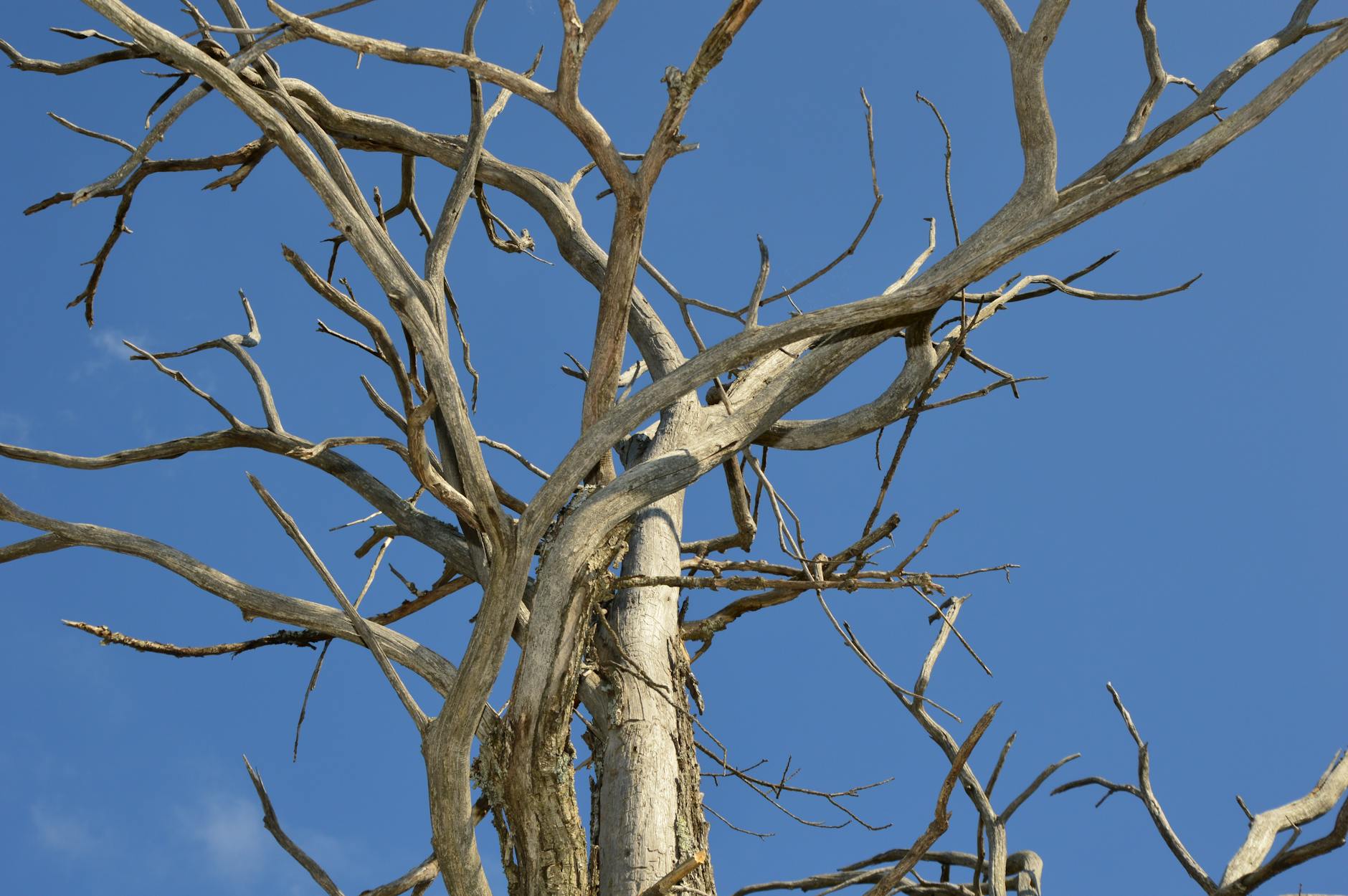
Emergency tree removal in Nashville typically costs between $800-$3,500 when dealing with dying trees that pose immediate safety risks to your property. Recognizing the warning signs early can help you avoid these emergency situations and potentially save a tree through proper intervention.
Visual Signs Your Tree is in Decline
📞 Need a free estimate? Call (629) 276-6888 — Nashville’s trusted tree service. Fast response, no obligation.
The most obvious indicators of tree decline are visible changes to the tree’s appearance. Dead or dying branches are often the first sign homeowners notice, particularly in neighborhoods like Green Hills and Brentwood where mature trees are common. These branches will lack leaves during growing season, appear brittle, and may show discoloration ranging from yellow to dark brown.
Bark abnormalities provide another crucial indicator. Healthy trees maintain relatively smooth, intact bark appropriate to their species. Warning signs include:
- Peeling or falling bark in large sections
- Deep cracks or splits in the trunk
- Soft, spongy areas that compress under pressure
- Discolored patches or unusual growths
Leaf problems extend beyond simple seasonal changes. During Nashville’s growing season, dying trees often produce smaller, discolored, or malformed leaves. You may notice premature leaf drop, wilting despite adequate moisture, or leaves that never fully develop their normal size and color.
Root System Warning Signs
Root problems often manifest above ground before becoming visible at soil level. Trees with compromised root systems frequently develop a lean that wasn’t previously present, particularly after storms common in the Nashville area. The soil around the base may appear raised or cracked, indicating root movement or decay.
Fungal growth around the tree base signals serious root or trunk decay. Mushrooms, particularly shelf fungi or brackets growing on the trunk, indicate internal rot that compromises structural integrity. This condition is especially concerning for large trees in areas like Belle Meade and Franklin, where property values and safety concerns are paramount.
Construction damage affects many trees in developing Nashville suburbs like Antioch and Hermitage. Root systems extend far beyond the tree canopy, and construction activity can sever major roots or compact soil, leading to gradual decline that may not appear for several years.
Environmental Stress Indicators
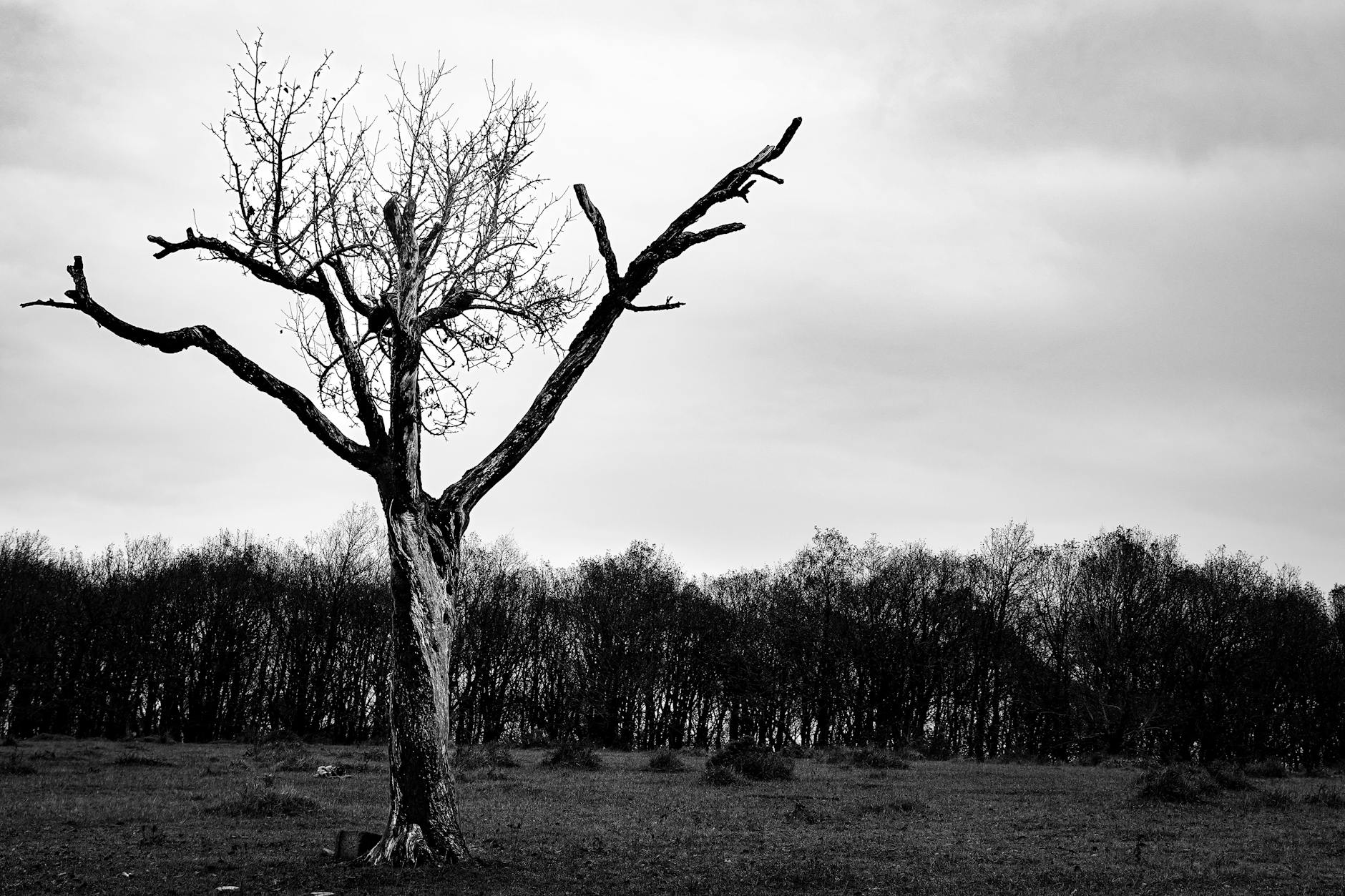
Nashville’s climate presents unique challenges for tree health. Drought stress appears as wilting leaves, early leaf drop, and reduced new growth. Conversely, excessive moisture from poor drainage can cause root rot, particularly in clay soils common throughout Middle Tennessee.
Insect damage often accelerates tree decline. Look for:
- Small holes in bark indicating boring insects
- Sawdust-like material around the tree base
- Unusual insect activity or visible pest populations
- Sticky substances on leaves or bark
Storm damage from Nashville’s severe weather can create entry points for disease and insects. Even seemingly minor damage can lead to significant problems if not properly addressed by professional tree service Nashville specialists.
When Professional Assessment is Necessary
📞 Need a free estimate? Call (629) 276-6888 — Nashville’s trusted tree service. Fast response, no obligation.
Certain situations require immediate professional evaluation. Trees showing multiple decline symptoms simultaneously often cannot be saved and may pose safety hazards. Large trees near homes, power lines, or high-traffic areas in neighborhoods like Donelson and Madison require expert assessment to determine removal necessity.
Professional arborists use specialized tools and techniques to assess tree health beyond visible symptoms. Certified arborists can detect internal decay, evaluate structural integrity, and determine whether intervention might save a declining tree.
The cost of professional tree assessment in Nashville ranges from $150-$400, depending on tree size and complexity. This investment can prevent much higher costs associated with emergency removal or property damage.
Treatment Options vs. Removal
Not all declining trees require removal. Early intervention through proper tree trimming Nashville services can sometimes restore tree health. Treatment options include:
- Pruning dead or diseased branches ($200-$800)
- Soil improvement and fertilization ($150-$500)
- Disease or pest treatment ($100-$600)
- Root care and aeration ($300-$1,200)
However, trees showing advanced decline symptoms often require removal to prevent safety hazards. Tree removal Nashville costs vary significantly based on tree size, location, and complexity, typically ranging from $400-$2,500 for most residential situations.
Preventing Future Tree Problems
Proactive tree care prevents many decline issues. Regular inspection, particularly after severe weather events common in Nashville, helps identify problems early when treatment is most effective and affordable.
Proper planting practices ensure long-term tree health. This includes selecting species appropriate for Nashville’s climate and soil conditions, providing adequate space for mature growth, and avoiding common mistakes like planting too deeply or in poorly drained locations.
Seasonal maintenance including appropriate watering, mulching, and professional pruning every 3-5 years maintains tree health and prevents many problems that lead to tree decline.
📞 Need a free estimate? Call (629) 276-6888 — Nashville’s trusted tree service. Fast response, no obligation.
Frequently Asked Questions
How quickly can a tree die once decline symptoms appear?
Tree death timeline varies significantly depending on the cause and tree species. Some trees may decline gradually over several years, while others affected by disease or severe damage can die within a single growing season. Prompt professional assessment helps determine urgency and treatment options.
Can a tree with fungal growth around its base be saved?
Fungal growth, particularly shelf fungi on the trunk, usually indicates advanced internal decay. While some surface fungal issues can be treated, mushrooms growing from the trunk or root area typically signal that the tree’s structural integrity is compromised and removal is necessary for safety.
What’s the difference between seasonal leaf drop and signs of a dying tree?
Normal seasonal changes occur gradually and affect the entire tree uniformly. Dying trees show irregular patterns like early leaf drop on specific branches, leaves that never fully develop, or persistent wilting during appropriate weather conditions. Timing also matters – leaf problems during peak growing season indicate health issues.
How much does emergency tree removal cost in Nashville?
Emergency tree removal in Nashville typically costs $800-$3,500, depending on tree size, location, and complexity. Factors affecting cost include proximity to structures, accessibility for equipment, and whether the tree has already fallen. Regular maintenance and early intervention help avoid these emergency situations.
Should I wait to see if my tree recovers next growing season?
Trees showing multiple decline symptoms rarely recover without intervention. Waiting can be dangerous if the tree poses safety hazards and more expensive if the tree continues to deteriorate. Professional assessment helps determine whether the tree can be saved and what immediate actions are necessary.