
Emergency tree service after storms in Nashville typically costs between $800-$2,500 for tree removal, with debris cleanup services ranging from $300-$1,200 depending on the scope of damage. Nashville’s unpredictable weather patterns, including severe thunderstorms, tornadoes, and ice storms, can cause significant tree damage that requires immediate professional attention to protect your property and ensure safety.
Immediate Steps After Storm Damage
📞 Need a free estimate? Call (629) 276-6888 — Nashville’s trusted tree service. Fast response, no obligation.
When storms hit Nashville, your first priority should be safety. Before attempting any cleanup or assessment, ensure all family members are safe and accounted for. Check for downed power lines, which are extremely dangerous and require immediate contact with Nashville Electric Service. Never attempt to move or touch any debris near power lines.
Document all damage with photographs before any cleanup begins. This documentation will be crucial for insurance claims and helps professional tree services assess the scope of work needed. Take photos from multiple angles, showing both the damaged trees and any property damage they may have caused.
Contact your insurance company as soon as possible to report the damage. Many homeowner’s insurance policies cover storm-related tree damage, especially when trees fall on structures or block driveways. Keep all receipts related to emergency tree services, as these may be reimbursable.
Types of Storm Damage in Nashville
Nashville experiences various types of severe weather that can damage trees throughout the metropolitan area. Understanding these damage types helps homeowners recognize when professional intervention is necessary.
Wind Damage
High winds are common during Nashville’s severe thunderstorms, often reaching speeds of 60+ mph. Wind damage typically includes uprooted trees, broken branches, and split trunks. In neighborhoods like Green Hills and Belle Meade, mature trees with large canopies are particularly susceptible to wind damage due to their size and age.
Partially fallen trees pose significant risks and should never be handled by homeowners. These trees are under tremendous stress and can fall unpredictably, potentially causing serious injury or additional property damage.
Ice Storm Damage
While less frequent than wind damage, ice storms can devastate Nashville’s urban forest. Ice accumulation adds substantial weight to branches, causing them to break and fall. Areas like Franklin and Brentwood, with their abundance of mature hardwood trees, often experience extensive ice damage during winter storms.
Ice-damaged trees require careful assessment by certified arborists, as the damage may not be immediately apparent. Some trees can recover from ice damage with proper pruning, while others may need complete removal.
Lightning Damage
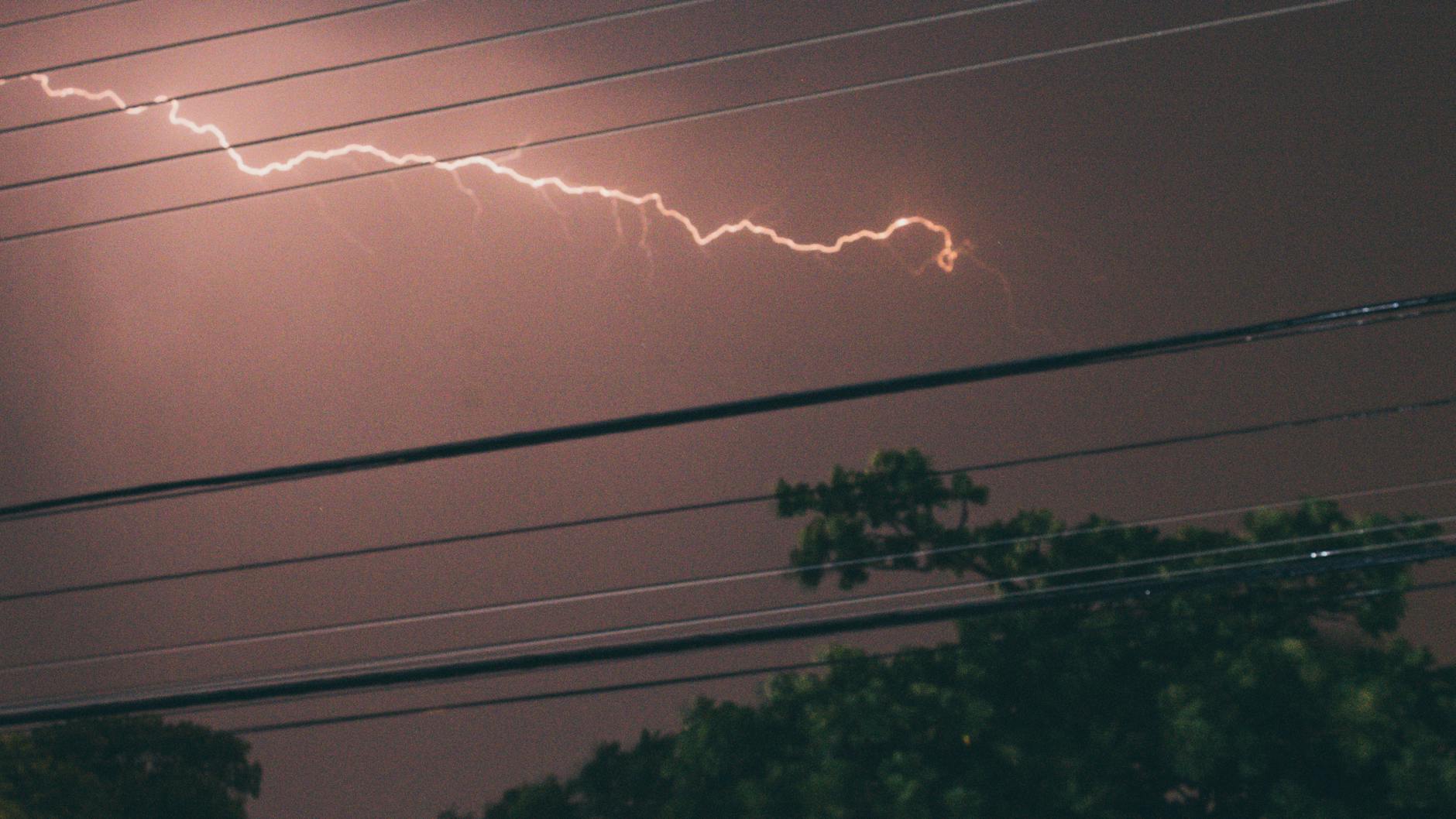
Lightning strikes can cause internal damage to trees that isn’t immediately visible. Trees struck by lightning may have bark stripped away, internal fractures, or root damage. The International Society of Arboriculture recommends professional evaluation of all lightning-struck trees, as they may become structurally unsound over time.
Emergency Tree Removal Costs
Understanding the costs associated with emergency tree services helps Nashville homeowners budget for storm recovery and navigate insurance claims effectively.
Factors Affecting Emergency Pricing
Emergency tree services typically cost 25-50% more than routine tree work due to the urgency and additional risks involved. Several factors influence the final cost:
Tree size significantly impacts pricing. Small trees (under 30 feet) typically cost $500-$1,200 for emergency removal, while large trees (over 60 feet) can range from $1,500-$4,000. The location of the tree also affects pricing – trees that have fallen on homes or are entangled in power lines require specialized equipment and additional safety measures.
Access to the tree influences costs as well. Properties in areas like Hermitage and Antioch with good equipment access generally have lower costs than properties with limited access requiring hand tools or crane work.
Additional Service Costs
Beyond tree removal, storm cleanup often requires additional services. Debris hauling typically costs $300-$800, depending on the volume of material. Stump grinding ranges from $150-$400 per stump, while emergency tree trimming Nashville services for partially damaged trees cost $400-$1,200.
Crane services, sometimes necessary for trees that have fallen on structures, add $500-$1,500 to the total cost. These specialized services require certified operators and proper insurance coverage.
Choosing the Right Emergency Tree Service
📞 Need a free estimate? Call (629) 276-6888 — Nashville’s trusted tree service. Fast response, no obligation.
Selecting a qualified tree service company during an emergency requires careful consideration, even when time is limited. Verify that any company you hire carries proper insurance, including general liability and workers’ compensation coverage. Request to see current insurance certificates before work begins.
Look for companies with certified arborists on staff. ISA (International Society of Arboriculture) certification ensures technicians have proper training in tree biology, safety procedures, and industry best practices. This expertise is particularly important when assessing whether damaged trees can be saved or must be removed.
Avoid door-to-door solicitors who appear immediately after storms. Reputable tree services don’t need to solicit business this way, and these companies often lack proper licensing and insurance. Always request written estimates and contracts before work begins.
TreeDone maintains 24/7 emergency response capabilities throughout the Nashville metropolitan area, with crews strategically positioned to serve neighborhoods from Madison to Franklin quickly and efficiently.
Prevention and Tree Health
While storms are unpredictable, proper tree maintenance can reduce the risk of storm damage significantly. Regular professional inspections identify weak branches, disease, and structural issues that make trees more susceptible to storm damage.
Preventive pruning removes dead, diseased, or weakly attached branches before they become projectiles during storms. This service typically costs $300-$800 per tree, far less than emergency removal and property damage repair costs.
Proper mulching and watering practices improve tree health and root development, creating stronger, more resilient trees. Healthy trees with robust root systems are less likely to uproot during high winds.
Consider professional tree removal for trees that pose ongoing risks. Dead or severely diseased trees, trees with significant structural damage, or trees planted in inappropriate locations should be removed before storm season. Our tree removal Nashville services can help identify and safely remove problematic trees.
Insurance and Storm Tree Services
Most homeowner’s insurance policies cover tree removal when trees fall on insured structures like homes, garages, or fences. However, coverage varies significantly between policies, and understanding your coverage before storms hit is crucial.
Insurance typically covers removal costs up to policy limits when trees damage covered structures. However, trees that fall in yards without damaging structures are generally not covered. Emergency tree services that prevent further damage to covered structures may be covered under emergency mitigation clauses.
Keep detailed records of all emergency tree services, including photographs, written estimates, and receipts. Insurance adjusters will need this documentation to process claims efficiently. Many insurance companies work with preferred tree service providers, but policyholders usually have the right to choose their contractor.
Contact your insurance company before beginning non-emergency work. While truly dangerous situations require immediate action, insurance companies prefer notification before major tree removal projects begin.
📞 Need a free estimate? Call (629) 276-6888 — Nashville’s trusted tree service. Fast response, no obligation.
Frequently Asked Questions
How quickly can emergency tree services respond after a storm in Nashville?
Professional emergency tree services typically respond within 2-4 hours for dangerous situations involving downed power lines or trees on structures. For less urgent situations, response times may be 24-48 hours, depending on the extent of storm damage throughout the area. TreeDone maintains emergency response capabilities and prioritizes calls based on safety risks.
Will my homeowner’s insurance cover emergency tree removal costs?
Insurance coverage depends on where the tree falls and what it damages. Most policies cover tree removal when trees fall on covered structures like homes, garages, or fences, typically up to $500-$1,000 per tree. Trees that fall in yards without damaging structures are usually not covered. Contact your insurance company immediately after storm damage to understand your specific coverage.
Can I remove storm-damaged trees myself to save money?
Storm-damaged trees should always be removed by professional tree services due to extreme safety risks. Partially fallen trees are under tremendous stress and can fall unpredictably, potentially causing serious injury or death. Additionally, working near power lines or removing large trees requires specialized equipment and training that homeowners don’t possess.
How do I know if a storm-damaged tree needs to be removed or can be saved?
This determination requires assessment by a certified arborist. Trees with more than 50% crown damage, significant trunk damage, or compromised root systems typically need removal. Trees with minor branch damage may be saved with proper pruning. Factors include the tree’s species, age, overall health, and location relative to structures and power lines.
What should I do if a tree falls on my house during a storm?
First, ensure everyone’s safety and evacuate if necessary. Call 911 if there are injuries or immediate dangers. Contact your insurance company and a professional tree service immediately. Don’t attempt to remove the tree yourself, as it may be providing structural support. Document everything with photographs and avoid using electricity or gas until utilities can inspect for damage.