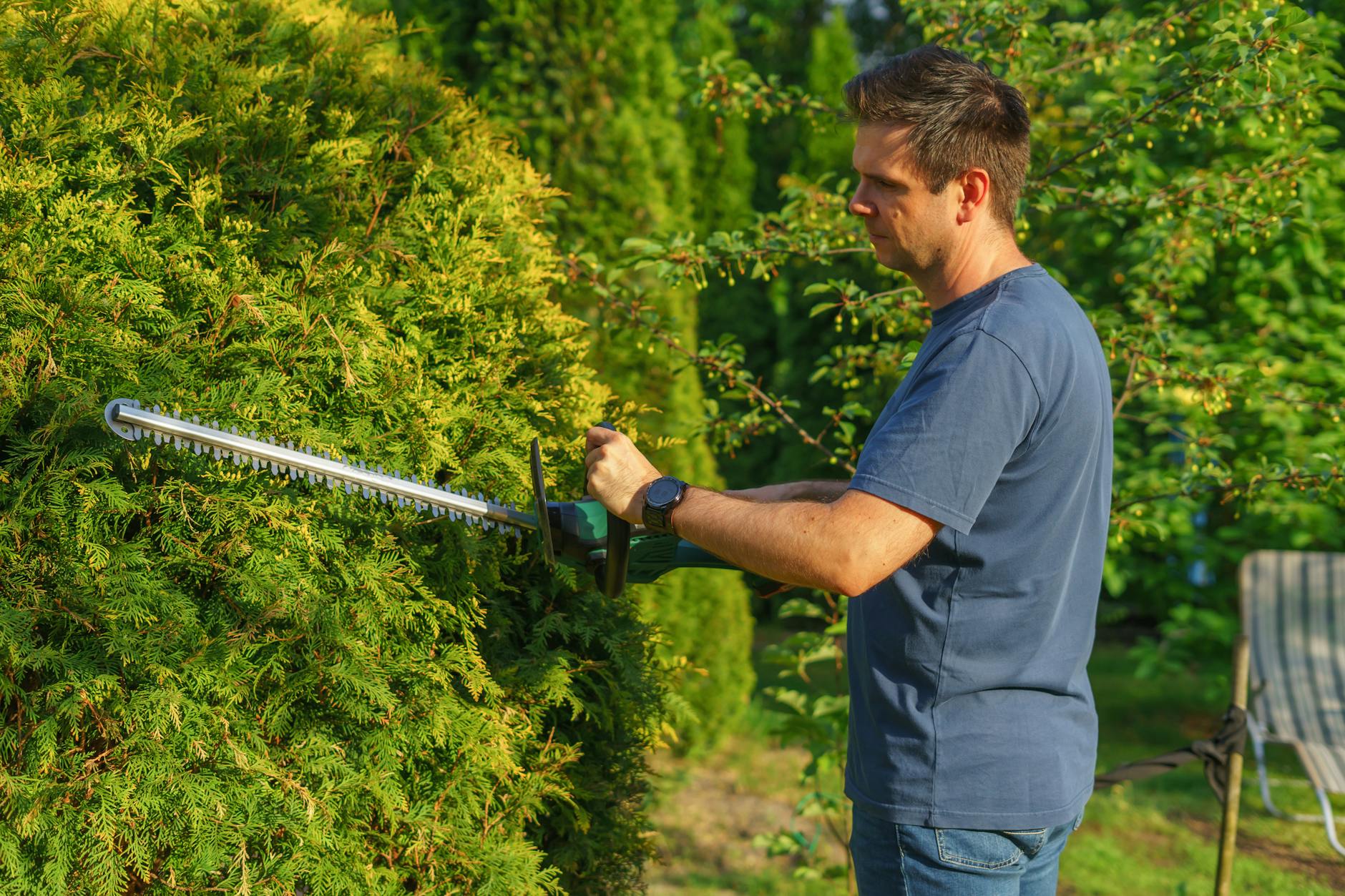
Professional tree trimming in Nashville typically costs between $150 and $800 per tree, with the best results achieved when timing aligns with each species’ natural growth cycle and Middle Tennessee’s unique climate patterns.
Understanding Nashville’s Climate for Tree Trimming
📞 Need a free estimate? Call (629) 276-6888 — Nashville’s trusted tree service. Fast response, no obligation.
Nashville’s humid subtropical climate creates distinct seasonal patterns that directly impact when trees should be trimmed. With hot, humid summers and mild winters, Middle Tennessee experiences temperature fluctuations that affect tree dormancy periods and active growth phases. The city’s USDA Hardiness Zone 7a designation means that trees here have specific timing requirements for optimal pruning results.
Most Nashville tree species enter dormancy between late November and early March, making this period ideal for major pruning work. During dormancy, trees allocate energy to root development rather than leaf and branch growth, allowing them to better handle the stress of trimming. This timing also minimizes sap loss and reduces the risk of attracting insects or disease to fresh cuts.
Temperature consistency plays a crucial role in timing decisions. Nashville’s occasional winter warm spells can trigger premature bud break, so professional arborists monitor weather patterns closely when scheduling trimming services across neighborhoods like Green Hills and Brentwood.
Optimal Trimming Seasons by Tree Type
Deciduous Trees: Late Winter Excellence
Deciduous trees including maples, oaks, hickories, and sweet gums perform best when trimmed during late winter, typically February through early March in Nashville. During this period, the tree’s structure is clearly visible without foliage, allowing for precise cuts and better decision-making about which branches to remove.
Oak trees require special attention due to oak wilt disease concerns. The International Society of Arboriculture recommends avoiding oak pruning during active beetle season (April through July) to prevent disease transmission. In Nashville’s climate, February presents the safest window for oak trimming.
Maple species, abundant throughout neighborhoods like Belle Meade and Franklin, should be trimmed between January and March to avoid excessive sap bleeding. While sap loss won’t kill the tree, it can weaken the structure and attract unwanted pests.
Evergreen Trees: Strategic Timing
Evergreen trees, including pines, spruces, and cedars common in areas like Hermitage and Donelson, follow different timing rules. These trees benefit from light pruning in late winter or early spring, just before new growth begins. Heavy pruning should occur in late fall after the growing season ends but before severe winter weather arrives.
Pine trees specifically should be trimmed when new candles (young shoots) reach full extension but before needles emerge, typically in May in Middle Tennessee. This timing allows for precise shaping without compromising the tree’s natural growth pattern.
Flowering Trees: Timing for Beauty and Health

📞 Need a free estimate? Call (629) 276-6888 — Nashville’s trusted tree service. Fast response, no obligation.
Nashville’s abundant flowering trees, including dogwoods, redbuds, and ornamental cherries, require careful timing to preserve next year’s blooms. The key principle involves understanding when each species sets its flower buds for the following year.
Spring-blooming trees like dogwoods and redbuds should be trimmed immediately after flowering ends, typically late April through May in Nashville. These trees set next year’s flower buds in summer, so late-season pruning eliminates potential blooms.
Summer-blooming trees such as crape myrtles can be trimmed during dormancy without affecting flower production. However, the common practice of “crape murder” – severe topping – should be avoided in favor of selective pruning that maintains the tree’s natural form.
Professional tree trimming Nashville services understand these timing nuances and can schedule work to maximize both tree health and aesthetic appeal across different neighborhoods from Antioch to Madison.
Weather Considerations and Risk Factors
Nashville’s weather patterns create specific windows when trimming is most effective and safest for both trees and work crews. Ice storms, common in January and February, can damage tree limbs and create emergency situations requiring immediate attention regardless of ideal timing.
High humidity levels during summer months increase disease risk for fresh cuts, making summer pruning less desirable except for emergency situations. Fungal pathogens thrive in Nashville’s humid conditions, particularly affecting oak and elm species.
Storm season, typically March through May, presents challenges for scheduling routine maintenance. However, this period often creates demand for emergency trimming services when severe weather damages trees throughout the Nashville metro area.
Avoiding Peak Stress Periods
Trees experience maximum stress during leaf emergence in spring and leaf drop in fall. Trimming during these periods forces trees to redirect energy from natural processes to wound healing, potentially weakening overall health.
Summer trimming, while sometimes necessary, should be limited to small branches and emergency situations. The combination of heat stress and pruning stress can overwhelm trees, particularly during Nashville’s hot, dry periods that occasionally occur in July and August.
Cost Implications of Seasonal Timing
Timing affects both tree health and service costs. Winter trimming, performed during the industry’s slower season, often costs 10-15% less than peak-season work. Standard residential tree trimming ranges from $150 for small ornamental trees to $800 for large mature oaks or maples.
Emergency trimming following storm damage typically costs 25-50% more than scheduled maintenance due to urgency and hazardous conditions. Planning regular maintenance during optimal timing periods helps avoid these premium costs while maintaining tree health.
Neighborhoods with mature tree canopies like Green Hills and Belle Meade often see cost savings through bundled services when multiple trees are trimmed during the same visit. Professional companies may offer discounts for multiple trees scheduled during off-peak periods.
Signs Your Trees Need Immediate Attention
📞 Need a free estimate? Call (629) 276-6888 — Nashville’s trusted tree service. Fast response, no obligation.
Certain conditions override seasonal timing considerations and require immediate professional intervention. Dead, diseased, or damaged branches pose safety risks and should be removed promptly regardless of season.
Branches touching power lines, showing signs of decay, or threatening structures need immediate attention from qualified professionals. In these cases, the benefits of prompt removal outweigh the disadvantages of off-season timing.
Signs of disease such as unusual leaf discoloration, premature leaf drop, or visible fungal growth indicate the need for professional assessment and possible emergency trimming to prevent spread to healthy trees.
Professional vs. DIY Timing Considerations
While homeowners can handle minor pruning of small branches, understanding optimal timing becomes critical for major trimming projects. Professional arborists possess the knowledge to assess individual tree conditions and adjust timing recommendations based on specific circumstances.
Mature trees in established Nashville neighborhoods often require specialized equipment and expertise that only professional tree service Nashville companies can provide. These large trees represent significant investments and require careful timing to maintain their health and value.
Insurance considerations also favor professional timing and execution. Improperly timed or executed trimming can lead to tree damage, property damage, or personal injury that may not be covered under homeowner’s insurance policies.
Frequently Asked Questions
What is the absolute best time to trim trees in Nashville?
Late winter, specifically February through early March, provides the optimal window for most Nashville trees. During this period, trees are dormant, disease risk is minimized, and the tree’s structure is clearly visible for precise cutting decisions.
Can I trim my trees during Nashville’s hot summer months?
Summer trimming should be limited to emergency situations and small branches only. The combination of heat stress and pruning stress can overwhelm trees, and high humidity increases disease risk for fresh cuts. If summer trimming is necessary, do it during cooler morning hours.
How much does professional tree trimming cost in Nashville?
Professional tree trimming in Nashville ranges from $150 for small ornamental trees to $800 for large mature trees like oaks or maples. Costs vary based on tree size, accessibility, complexity of the work, and timing, with winter service often 10-15% less expensive than peak season.
Should flowering trees be trimmed at different times than other trees?
Yes, flowering trees require specific timing to preserve blooms. Spring-blooming trees like dogwoods should be trimmed immediately after flowering ends (late April to May), while summer-blooming trees can be trimmed during winter dormancy without affecting flower production.
When should I avoid trimming trees completely?
Avoid trimming during active growth periods in spring and fall when trees are focusing energy on leaf emergence or preparation for winter. Also avoid trimming oak trees from April through July due to oak wilt disease risk, and limit all trimming during Nashville’s peak summer heat and humidity.