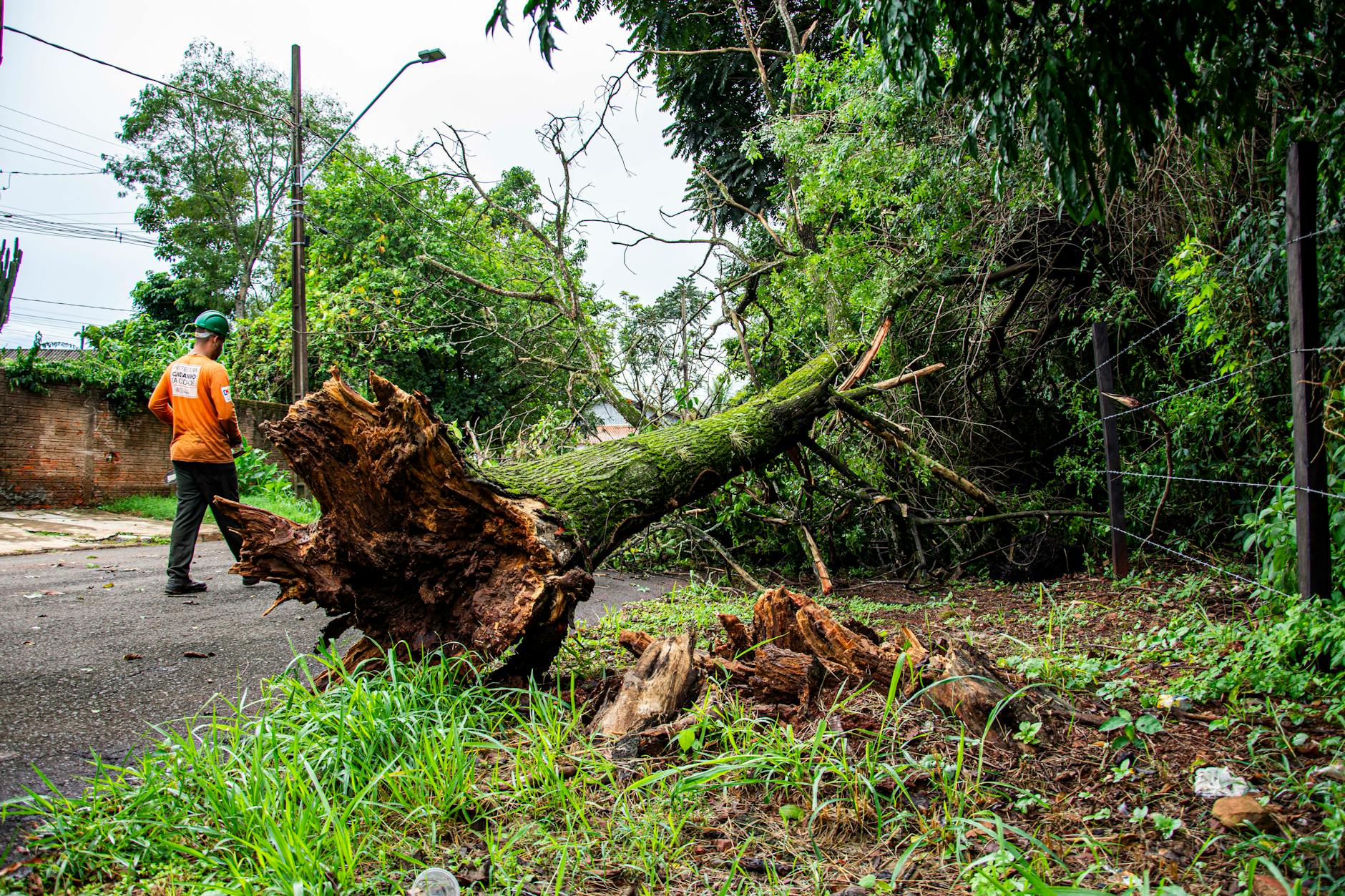
Storm damage tree removal in Nashville typically costs between $800 and $3,500 per tree, depending on the size, location, and complexity of the emergency removal. Nashville’s severe weather patterns, including spring tornadoes and summer thunderstorms, create urgent tree removal needs that require immediate professional attention to prevent further property damage and safety hazards.
Understanding Storm Damage Tree Removal
📞 Need a free estimate? Call (629) 276-6888 — Nashville’s trusted tree service. Fast response, no obligation.
Storm damage tree removal is a specialized service that addresses trees compromised by severe weather events. Unlike routine tree removal Nashville services, emergency storm removals require immediate assessment and often complex rigging techniques to safely remove fallen, leaning, or partially damaged trees from homes, power lines, and roadways.
Nashville’s geography and climate make it particularly susceptible to storm-related tree damage. The city’s mature tree canopy, while beautiful, becomes vulnerable during severe weather events. Neighborhoods like Green Hills and Belle Meade, with their established oak and maple trees, often experience significant storm damage due to the age and size of their urban forest.
Emergency tree removal differs from standard removal in several key ways. First, damaged trees are inherently unstable and unpredictable, requiring specialized safety protocols. Second, storm-damaged trees often involve complications like downed power lines, structural damage to buildings, or precarious positioning that demands advanced rigging equipment and expertise.
Common Types of Storm Damage
Nashville experiences various types of storm damage throughout the year. Wind damage is the most common, with straight-line winds and microbursts capable of uprooting even healthy trees. Tornado damage, while less frequent, can devastate entire neighborhoods, as seen in areas like Donelson and Hermitage during past severe weather events.
Ice storms, though less common in Middle Tennessee, can cause significant branch breakage and crown damage. The weight of accumulated ice can exceed a tree’s structural capacity, leading to catastrophic failure. Lightning strikes represent another form of storm damage, often splitting trees vertically and creating immediate safety hazards.
Emergency Response and Safety Protocols
Professional storm damage response follows strict safety protocols established by industry standards. The first priority is always life safety, followed by property protection and utility restoration. Certified arborists assess each situation using systematic evaluation methods recommended by the International Society of Arboriculture for storm damage assessment.
Emergency tree removal begins with securing the area and identifying immediate hazards. This includes checking for electrical contact, structural instability, and potential secondary failures. In neighborhoods like Brentwood and Franklin, where homes are often situated close to large trees, this assessment phase is critical for preventing additional property damage.
Professional crews use specialized equipment including bucket trucks, cranes, and advanced rigging systems to safely dismantle storm-damaged trees. The goal is to remove the tree systematically, minimizing risk to nearby structures and allowing for safe cleanup of debris.
Insurance and Documentation
Proper documentation is essential for insurance claims related to storm damage tree removal. Professional tree service companies provide detailed assessments, photographs, and written reports that support homeowners’ insurance claims. This documentation should include the cause of damage, safety hazards present, and necessity of immediate removal.
Most homeowners’ insurance policies cover storm damage tree removal when the tree damages a covered structure or blocks a driveway. However, coverage varies significantly between policies, and understanding these nuances can save homeowners thousands of dollars in out-of-pocket expenses.
Pricing Factors for Storm Damage Removal

📞 Need a free estimate? Call (629) 276-6888 — Nashville’s trusted tree service. Fast response, no obligation.
Storm damage tree removal costs in Nashville vary based on several critical factors. Tree size is the primary determinant, with small trees (under 30 feet) typically costing $500-$1,200 for emergency removal, medium trees (30-60 feet) ranging from $1,200-$2,500, and large trees (over 60 feet) often requiring $2,500-$5,000 or more for safe removal.
Location and accessibility significantly impact pricing. Trees fallen on houses in areas like Antioch or Madison may require crane service, increasing costs by $1,000-$2,500. Trees blocking roadways or entangled in power lines require coordination with utility companies and may involve additional safety measures that affect final pricing.
Emergency timing also influences costs. Storm damage removal requested during active weather events or outside normal business hours typically includes emergency service fees ranging from $200-$500. However, these costs are often justified by the prevention of additional property damage and restoration of essential services.
Additional Services and Costs
Storm damage tree removal often requires additional services beyond basic removal. Stump removal Nashville services add $150-$400 per stump, depending on size and accessibility. Debris cleanup and hauling, while sometimes included in removal costs, may require separate pricing for extensive storm damage scenarios.
Property restoration services, including soil compaction repair and landscape restoration, may be necessary after heavy equipment use during emergency removal operations. These services typically range from $500-$2,000, depending on the extent of restoration required.
Choosing Professional Storm Damage Services
Selecting qualified professionals for storm damage tree removal is crucial for safety and insurance purposes. Licensed and insured tree service companies provide protection against liability and ensure proper disposal of debris according to local regulations. In Nashville, reputable companies carry general liability insurance of at least $1 million and workers’ compensation coverage for all employees.
Certification through recognized organizations like the International Society of Arboriculture indicates professional competency in tree care and safety practices. Certified arborists understand proper pruning techniques, tree biology, and safety protocols essential for storm damage assessment and removal.
Equipment and expertise are equally important considerations. Professional storm damage removal requires specialized equipment including bucket trucks, cranes, chippers, and advanced rigging gear. Companies serving the greater Nashville area, from Belle Meade to Hermitage, maintain this equipment and train crews in its safe operation.
Red Flags to Avoid
Storm damage creates opportunities for unscrupulous contractors who prey on emergency situations. Door-to-door solicitors, especially those requesting full payment upfront, should be avoided. Legitimate tree service companies provide written estimates, carry proper insurance, and never demand immediate payment for services not yet performed.
Extremely low bids often indicate inadequate insurance, inexperienced crews, or improper disposal methods. While cost is always a consideration, the lowest bid for storm damage tree removal may result in additional costs, property damage, or safety hazards.
Prevention and Tree Health
While storm damage cannot always be prevented, proper tree care significantly reduces the risk of storm-related failures. Regular tree trimming Nashville services remove weak, dead, or poorly attached branches that are most likely to fail during storms. This preventive maintenance is particularly important for mature trees in established neighborhoods throughout Nashville.
Tree species selection also plays a role in storm resistance. Native species like white oak and tulip poplar generally withstand Nashville’s weather conditions better than non-native species. Property owners planning new landscaping should consider storm resistance when selecting trees for their properties.
Soil conditions and root health directly impact tree stability during severe weather. Compacted soils, construction damage to root systems, and poor drainage all contribute to increased storm damage risk. Professional arborists can assess these factors and recommend appropriate interventions to improve tree health and stability.
📞 Need a free estimate? Call (629) 276-6888 — Nashville’s trusted tree service. Fast response, no obligation.
Frequently Asked Questions
How quickly can you respond to storm damage tree removal emergencies?
TreeDone provides 24/7 emergency response for storm damage situations. During severe weather events, we prioritize calls based on safety hazards, with trees on homes or blocking roads receiving immediate attention. Response times typically range from 2-4 hours during active storms.
Does insurance cover storm damage tree removal costs?
Most homeowners’ insurance policies cover storm damage tree removal when the tree damages a covered structure or blocks access to the home. Coverage typically ranges from $500-$1,000 per tree. We provide detailed documentation and work directly with insurance adjusters to streamline the claims process.
What makes storm damage tree removal more expensive than regular removal?
Storm damage removal requires specialized safety equipment, emergency response capabilities, and often complex rigging to safely remove unstable trees. Additional factors include crane requirements, debris cleanup, and coordination with utility companies, which can increase costs by 50-100% compared to routine removal.
Can I remove storm-damaged trees myself?
Storm-damaged trees are extremely dangerous and should never be removed by homeowners. Damaged trees are unpredictable and may involve electrical hazards, structural instability, and complex physics that require professional expertise and specialized equipment to handle safely.
How do you determine if a storm-damaged tree can be saved?
Our certified arborists assess storm damage using established criteria including percentage of canopy loss, trunk damage, root system integrity, and overall tree health. Trees with less than 50% canopy damage and no major structural issues may be candidates for restoration rather than removal.